
Read more
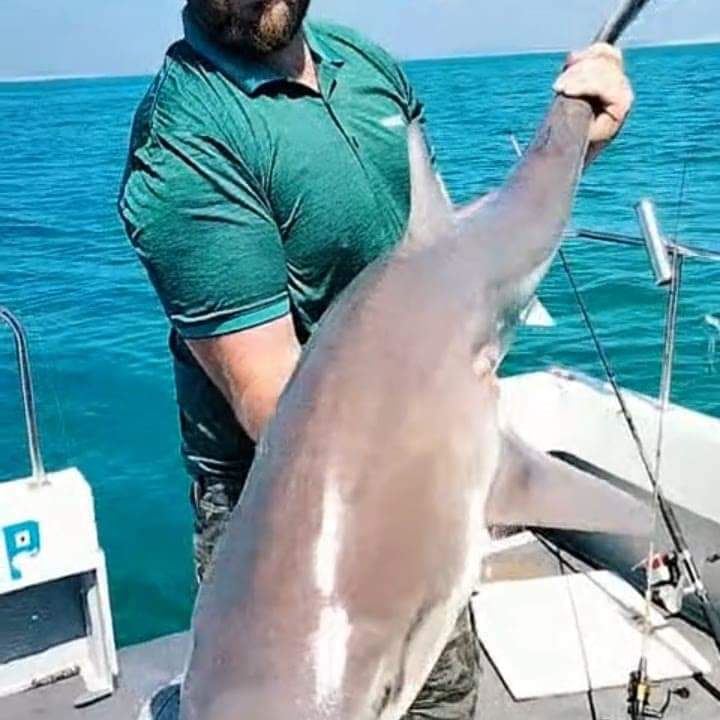
10-hour shark fishing trip, tackle included, fish returned.

Sussex has more sharks than most people expect, but not the ones the headlines like. This is what the Shark Trust, the University of Sussex survey and the government rule books say about each species.
More than you might think, and nearly all of them harmless to people. A University of Sussex survey published in 2024 used underwater cameras and environmental DNA at 28 sites between Shoreham and Selsey and identified 81 fish species. Among them were tope, a catshark and spotted ray. The researchers described tope as critically endangered and said some of the species they found were quite rare and of high conservation concern.
Around the UK coast the small sharks anglers meet most are the small-spotted catshark (often called lesser spotted dogfish) and the nursehound, better known as the bull huss. Tope and smooth-hounds are the larger ones. Rarer visitors include porbeagle and thresher, and basking sharks are a protected sight rather than an angling fish.
Below, each one in turn, with what the official sources say.
The Wildlife Trusts list tope as Critically Endangered on the IUCN Red List and as a Priority Species in the UK. They are slim grey sharks growing to about 195 cm and 45 kg, found close to shore around UK coasts and more common in the south and west. Tagging has shown that they travel: some UK-tagged tope were later found as far away as the Canary Islands. The Wildlife Trusts also note there is no record of an unprovoked tope attack on a person.
The legal position in England and Wales is clear. Under the Tope (Prohibition of Fishing) Order 2008, fishing for tope is banned except by rod and line, and recreational anglers may not land any tope, dead or alive, caught from a boat. In practice every tope goes back. The government page was last updated in June 2025, so check the current rules before you fish.
Captain Ant's own bio states that he holds a CBUK record for tope. Our shark trip is tuition-led, with tackle included.
Smooth-hounds are small, slim sharks that feed mainly on crabs, lobsters and other crustaceans. They have blunt, crushing teeth rather than the sharp ones of a tope. The Shark Trust says it hears of starry smooth-hounds from the Sussex coast, usually single animals in harbours or caught by anglers.
Starry smooth-hounds usually have small white spots, but the spots can fade, so telling them from other smooth-hounds is not always easy. If you are unsure, call it a smooth-hound and take a photograph.
Sussex IFCA's Elasmobranch Voluntary Code of Conduct covers huss, smooth-hounds, skates and rays. It was written to help these fish survive being caught, and it came in alongside the Minimum Size Byelaw 2021. The code is guidance rather than law. The byelaw itself applies to commercial and recreational fishers in the Sussex district.

Yes, all three are small sharks. The Shark Trust lists spurdog among the species considered Critically Endangered in the north-east Atlantic, and its stated position is that a species with that status should not be targeted by anyone.
The bull huss is what the MMO's identification card calls the nursehound, also known as the large-spotted or greater-spotted dogfish. The lesser spotted dogfish is the small-spotted catshark. A catshark appears in the University of Sussex species list.
Because these species are managed differently from one another and the rules change, check the current position with the MMO and Sussex IFCA before you plan to keep any of them.
Properly rare, and worth keeping honest about.
Porbeagle. The Shark Trust lists porbeagle as Critically Endangered in the north-east Atlantic and advises avoiding targeting them from April to August, when pregnant females pass through British waters. Brighton and Hove News reported a porbeagle of about 30 lb caught and safely released about 10 miles off Brighton in August 2023.
Thresher. The Shark Trust says to avoid targeting adult female threshers from March to June, as they may be carrying pups.
Basking shark. Protected under the Wildlife and Countryside Act 1981 and CITES: killing, capturing, disturbing or keeping one is an offence.
Many reported shark sightings on the Sussex coast turn out to be something else. Bognor Regis news has run a round-up of occasions when a seal, or even a pipe, was mistaken for a shark.
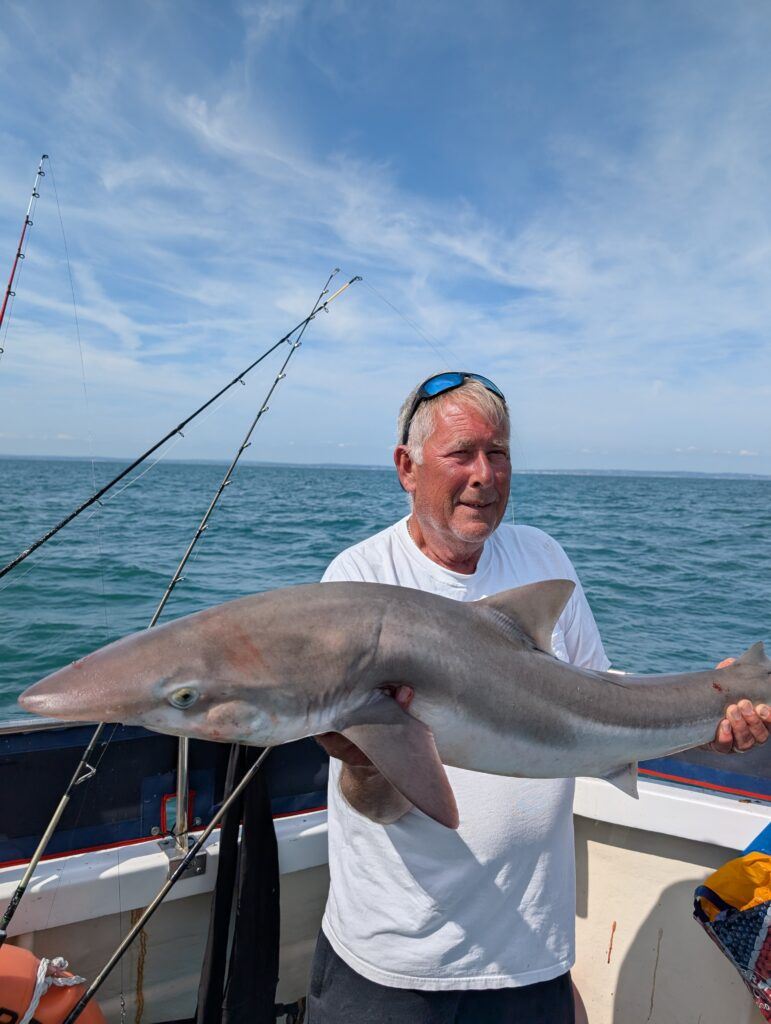
Because the law and the science say so. Tope cannot be landed from a boat, several species are critically endangered, and sharks mature slowly and have few young, so every fish matters.
The Shark Trust supports recreational angling carried out by experienced operators working to high handling standards, because stress and injury during the fight and handling are what cause deaths after release. A University of Plymouth tagging project in Dorset and the Solent, funded by Defra, shows what good practice looks like: minimise handling, return the fish to the water as soon as possible, and photograph it and note the tag number if it carries one.
Our shark trip is tuition-led with tackle included, so you are shown the method rather than left to work it out. If you want to try it, the shark fishing trips page has the details and the Sussex species guide shows what else is in the water. You can get in touch to ask about a date, and the prices page has current costs.
 Tope Galeorhinus galeus
 Starry smoothhound Mustelus asterias
 Common smoothhound Mustelus mustelus
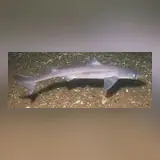 Spurdog Squalus acanthias
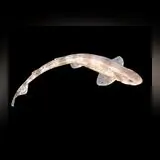 Lesser spotted dogfish Scyliorhinus canicula
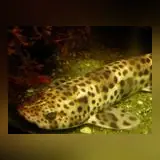 Bull huss Scyliorhinus stellaris
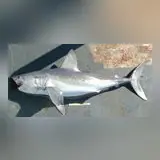 Porbeagle shark Lamna nasus
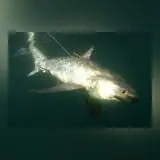 Common thresher shark Alopias vulpinus
= caught off the Sussex coast. More species in our UK sea fish guide.
Fancy a day on the water? See the Prices 2027, or get in touch and we will find the right trip for you.
No. Recreational anglers may not land any tope caught from a boat, dead or alive, under the Tope (Prohibition of Fishing) Order 2008. They must go back.
The Wildlife Trusts say there is no record of an unprovoked tope attack on a person.
It is the nursehound, a large catshark also called the large-spotted or greater-spotted dogfish, according to the MMO's identification card. It is different from the smooth-hounds.
Yes. They are protected under the Wildlife and Countryside Act 1981, so killing, capturing, disturbing or keeping one is an offence.
10-hour shark fishing trip, tackle included, fish returned.
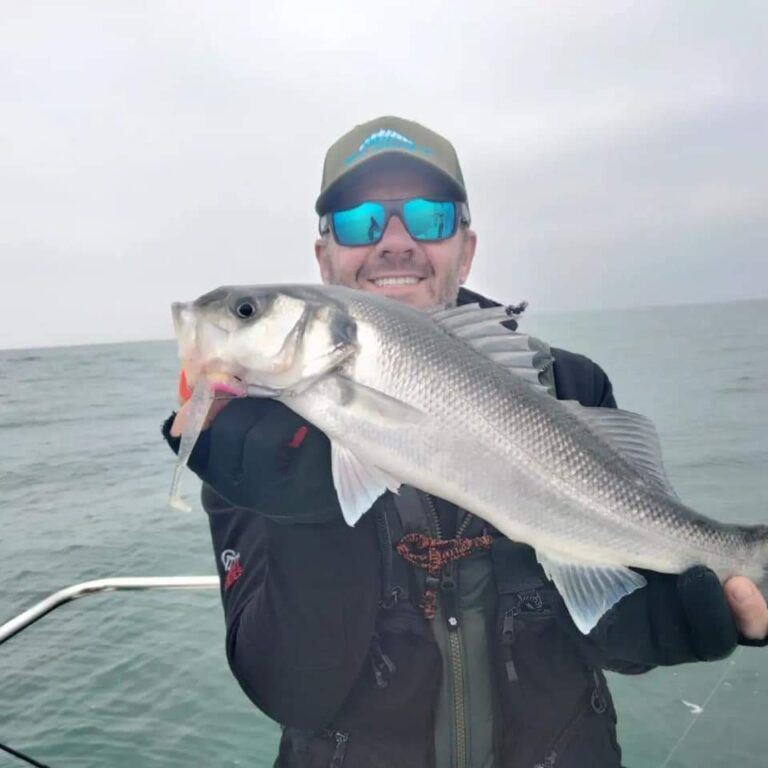
Every species you might land.
What bites in which month.
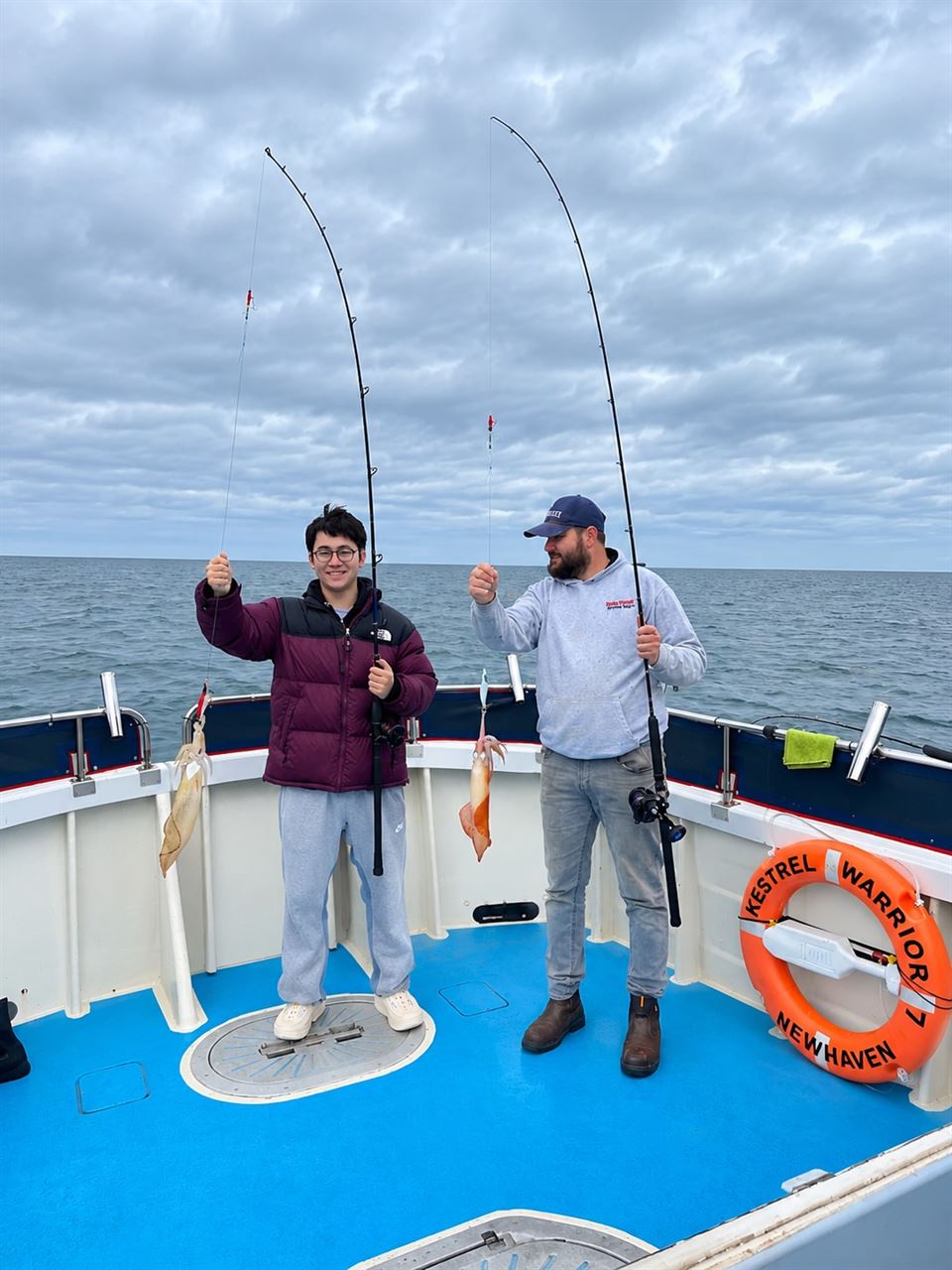
Articles on the fish, wrecks and history of the Sussex coast.