
Read more
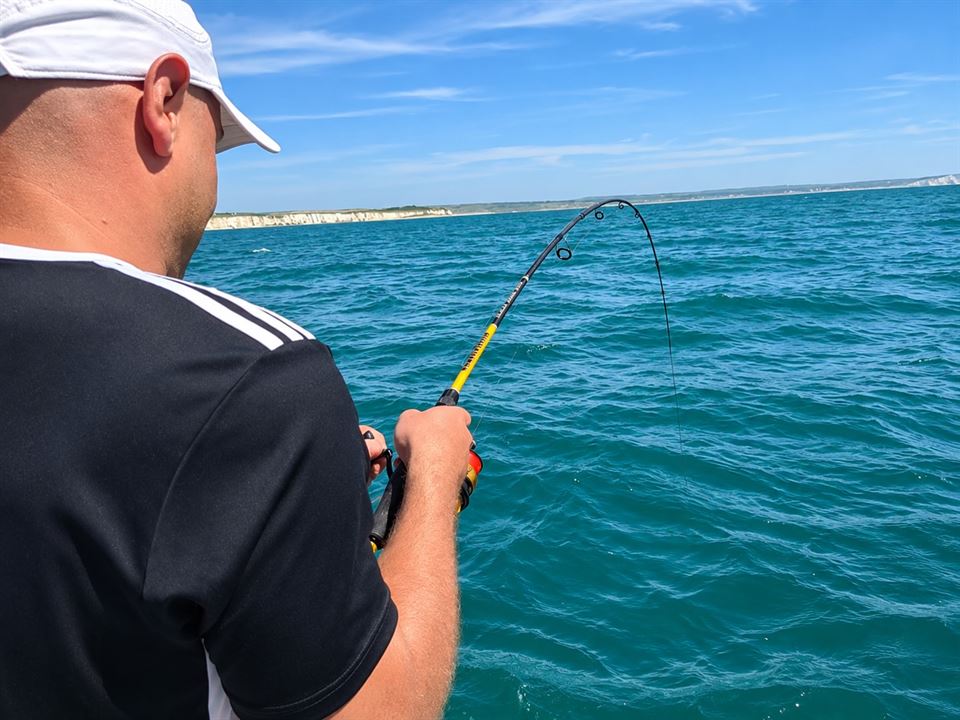
8 hours drifting for plaice, dabs, flounder and rays.
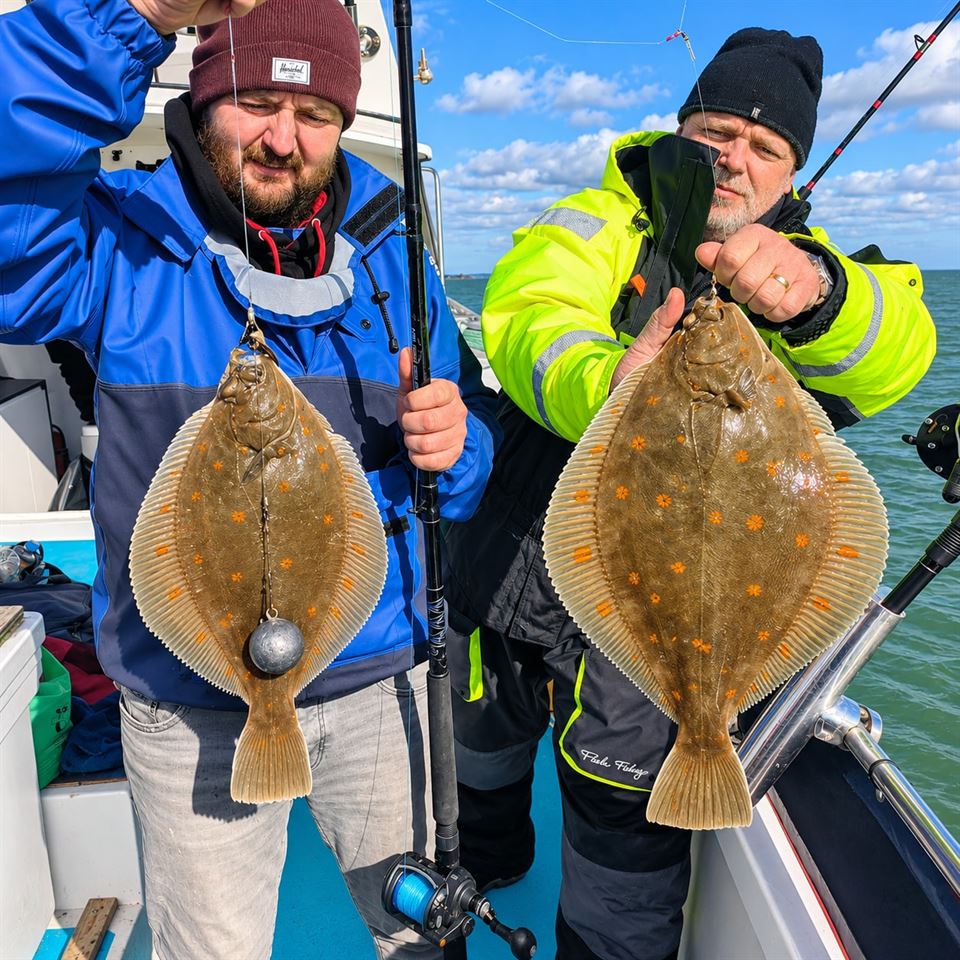
Plaice are caught by drifting slowly over clean sand with worm baits and a little sparkle on the trace. It is relaxed fishing that rewards patience, and the Sussex banks are a good place to learn it.
Drift slowly over sand with a worm bait close to the bottom. That is the heart of it. Plaice are flatfish that lie on clean sand and mussel beds, rely on camouflage, and feed mostly on worms and small molluscs. They are also more of a sight feeder than many fish, which is why clear water is preferred and why a little sparkle on the trace helps.
On our flatfish drift trip the skipper takes you to the sandbanks, usually within about 3 miles of the coast, and you fish on the drift or, now and then, at anchor. The day starts with a short safety brief and a demonstration of how to fish for plaice, so beginners are fine.
About 1.2 knots over sand banks and mussel beds is the ideal drift speed. Any faster and the bait lifts off the bottom and skips past the fish. Much slower and you cover very little ground.
Plaice are hard to see on a fish finder because they lie flat in the sand, but there are small hints on the screen that help track the right ground down. The skipper chooses the marks on the day to suit the tide and the weather.
Worms: lugworm and ragworm, plus mussel. A plaice has a small mouth and no teeth, so it struggles with anything bigger than your little finger. Keep baits neat.
The traditional rig is a long flowing trace with plenty of bling: beads, sequins and spoons of different sizes, on a 2 or 3-hook paternoster with worm bait. The bling draws the fish in from a distance on a clear day. We also fish a newer method with a long snood below, usually to a size 2 hook with a rubber worm. Rods and rigs are on board, so you do not need your own.
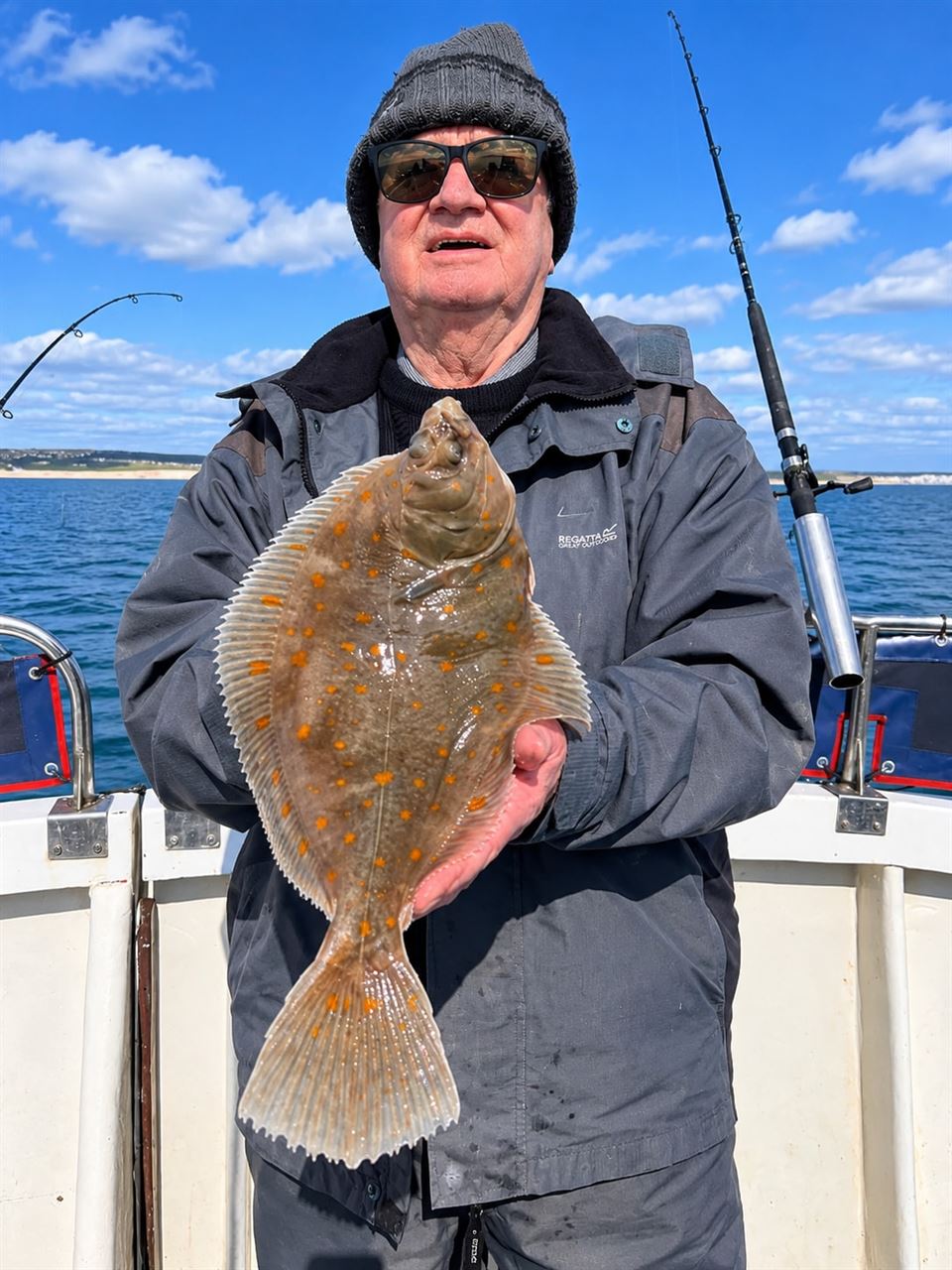
Spring. Our month-by-month guide lists plaice among the best targets in March, April and May, when they come on to the sandbanks, and as a possible extra in June and October. Like every season, it varies from year to year, so ask us what is happening for your date.
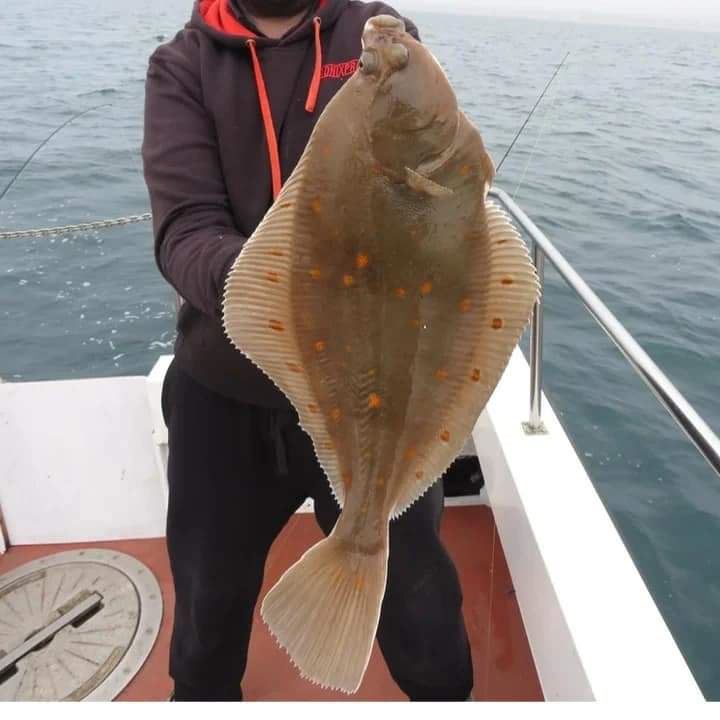
The average plaice is smallish, at about 36 cm, but bigger fish are a real possibility, as the pictures on this page show. Dabs, flounder and rays are caught on the same drifts.
The gov.uk list of minimum conservation reference sizes, updated on 3 February 2026, gives 27 cm for plaice. Sussex IFCA's Minimum Size Byelaw 2021, confirmed on 11 December 2024, also sets sizes that apply in the Sussex district:
Fish are measured from the tip of the snout to the end of the tail fin. Undersized fish must go straight back. Rules change, so check the current position before you fish.
Yes. It is a calm, steady style of fishing that suits children and older anglers, and on the drift everyone gets a fair turn over the fish. Children under 16 must be with an adult. At the skipper's discretion you can stay longer at no extra cost, and the crew will gut and fillet your catch for free.
Book on the flatfish drift trip for plaice, dabs and rays page. If you prefer lighter fishing over rough ground, read about black bream and their summer season, and if it is your first time out, our guide for a first day on the boat covers the basics. For a shorter mixed day, try the 4-hour inshore multi-species trip.
= caught off the Sussex coast. More species in our UK sea fish guide.
Fancy a day on the water? See the Prices 2027, or get in touch and we will find the right trip for you.
Worms, mainly lugworm and ragworm, plus mussel. Plaice have small mouths, so keep baits no bigger than your little finger.
27 cm. That is the UK minimum conservation reference size (gov.uk, updated 3 February 2026), and Sussex IFCA's Minimum Size Byelaw 2021 also gives 270 mm. Check the current rules before you fish.
About 1.2 knots over sand banks and mussel beds, so the bait stays close to the bottom.
Spring is best: our seasons guide lists plaice among the top targets in March, April and May, with fish also possible in June and October.
8 hours drifting for plaice, dabs, flounder and rays.
When black bream are best off Brighton, the 23 cm Sussex size and the Kingmere rules.
Choosing a trip, what to wear, the safety brief and taking your catch home.
Articles on the fish, wrecks and history of the Sussex coast.