
Read more
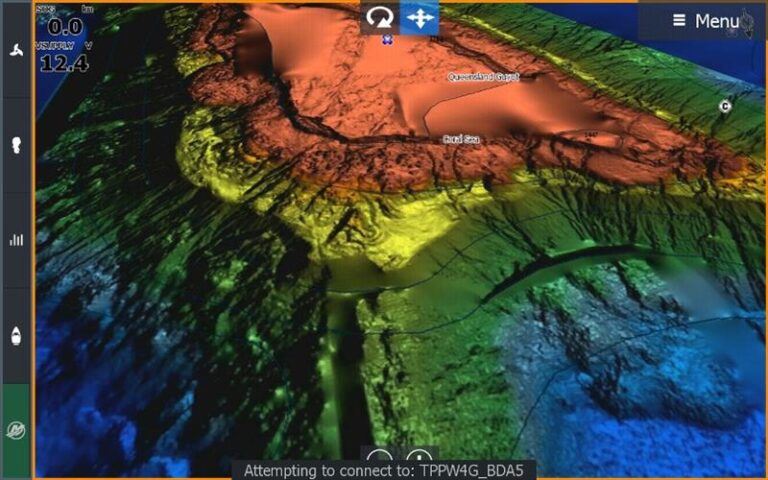
A tactical chart of the water off Brighton.
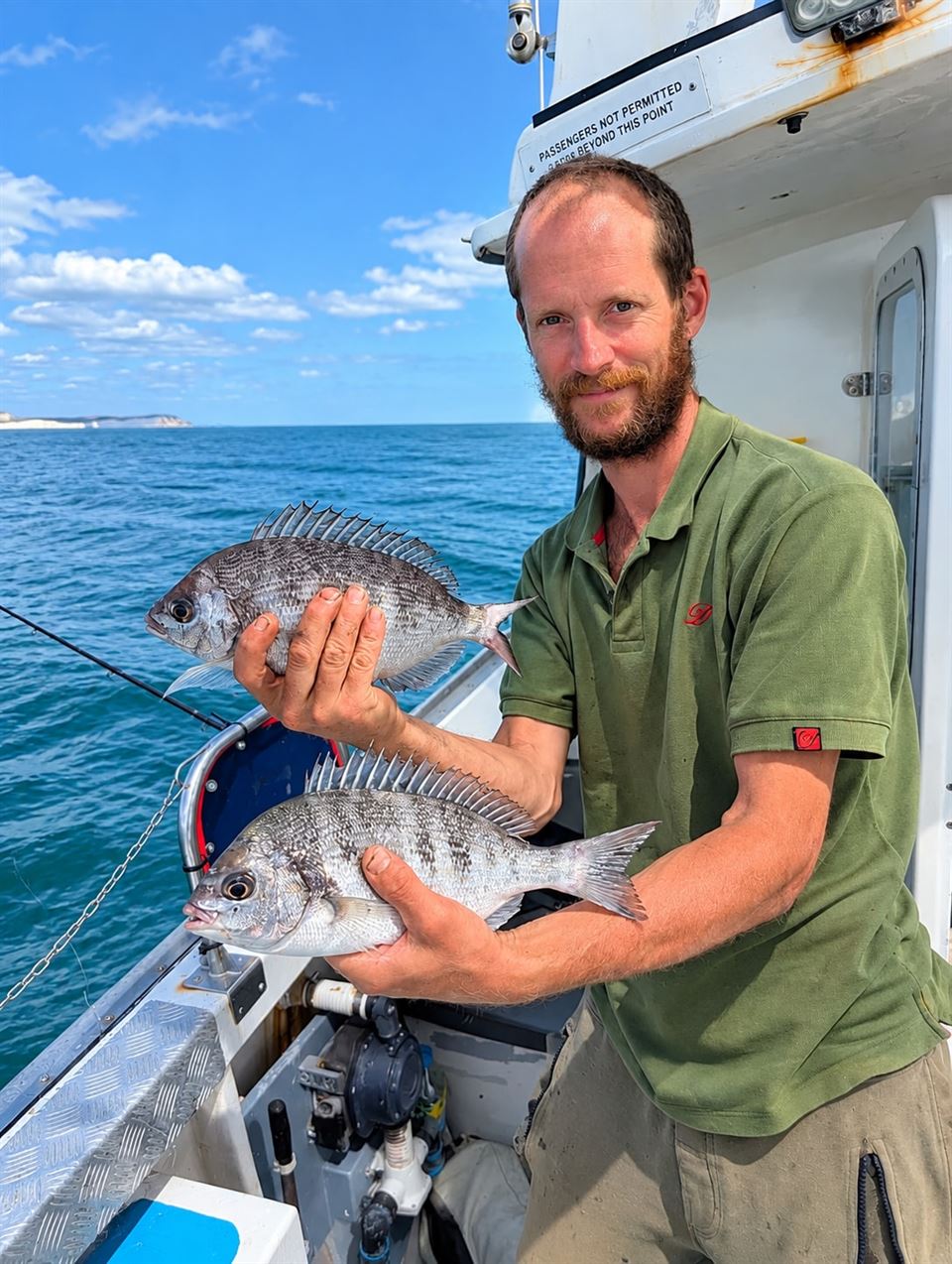
Long before the pier and the Pavilion, Brighthelmstone was a fishing town that launched its boats off the shingle. Here is how that fishery became the sea fishing we do from Brighton Marina today.
Brighton's old name was Brighthelmstone, and for most of its history it lived off the sea. The Brighton Fishing Museum says fishing has gone on from this beach for more than a thousand years, and a local history of the town's fishing describes the fleet as one of the important ones on the south coast in the 16th and 17th centuries.
It was a working beach in the plainest sense. Boats were hauled up the shingle after every trip, and the town had no harbour to shelter them. Whatever the weather did, the fishermen had to deal with it from the beach.
Nets, rope and sails were made and mended on the shingle, and the whole town took its living, and often its food, from what the boats brought home.
That is worth keeping in mind when you step aboard a boat in a modern marina. For most of Brighton's history, going to sea meant launching through surf.
The boat most closely tied to the old Brighton fishery is the hog-boat, or hoggie. The Royal Museums Greenwich library describes hog-boats as the ordinary decked offshore fishing boats of the south coast between Eastbourne and Shoreham in the 18th and early 19th centuries. Writing in 1847, William Fleet called the type peculiar to Brighton beach and reckoned about 60 of them worked from the town.
According to the Regency Society, which quotes Fleet, they trawled for turbot, sole, brill, cod, whiting and skate. Flatfish and cod are still among the fish Sussex anglers ask about today.
Later came the open beach boats. The Brighton Fishing Museum holds a clinker-built boat of this type, the Sussex Maid, a beach boat of the 1920s with an auxiliary engine. These boats were launched and recovered over the shingle, not from a harbour.
After clashes with the fashionable town in the early 1800s, the fishery was confined to the beach. The museum records a protest by the fishermen that failed. Even so, they were organised: the Brighton Fishing Quarter says the fishermen formed one of the first fishing co-operatives in 1827.
The seafront arches came in the mid-1860s, when Kings Road was widened. They gave the fishing families a dry place to store and mend gear, and some of those arches are still used by working fishermen today.
Fishing and the church were tied together too. A share of the mackerel catch once went to the church, and the custom of the blessing of the nets lives on in Brighton, outside the museum, at the start of the mackerel season.
As sea-bathing made Brighton fashionable, fishing families found a second income. The museum says some of them turned to bathing machines and pleasure boats for visitors, and it honours Martha Gunn, the famous bathing-machine dipper, as part of the fishing community's story.
So the town's visitors went afloat in the same kind of boats, and often with the same families, that had worked the fishing grounds. The two trades grew up side by side on the same shingle.
It is a reminder that a fishing boat has always been a flexible thing. A hull that can work a net on Monday can carry a party out to see the coast on Tuesday, which is much how a modern charter boat is used.
The marina is much younger than the fishery. The Brighton Marina Act dates from 1968, and Taylor Woodrow began site work in March 1971 at Black Rock, where the best-known landmark had been the 1936 swimming pool. According to the local history record, the last of 110 huge concrete caissons for the outer breakwaters went in on 24 May 1976, enclosing 77 acres of sheltered water. The lock gates were opened on 2 May 1977, the public were admitted from 25 July 1978, and Queen Elizabeth II formally opened the complex on 31 May 1979.
For anyone taking out a boat, the change is plain. The old fishery launched over open shingle and went home to the beach. A sheltered harbour with berths, fuel and road access means a modern charter boat can leave from a pontoon and put a group of anglers on the ground without a beach launch.
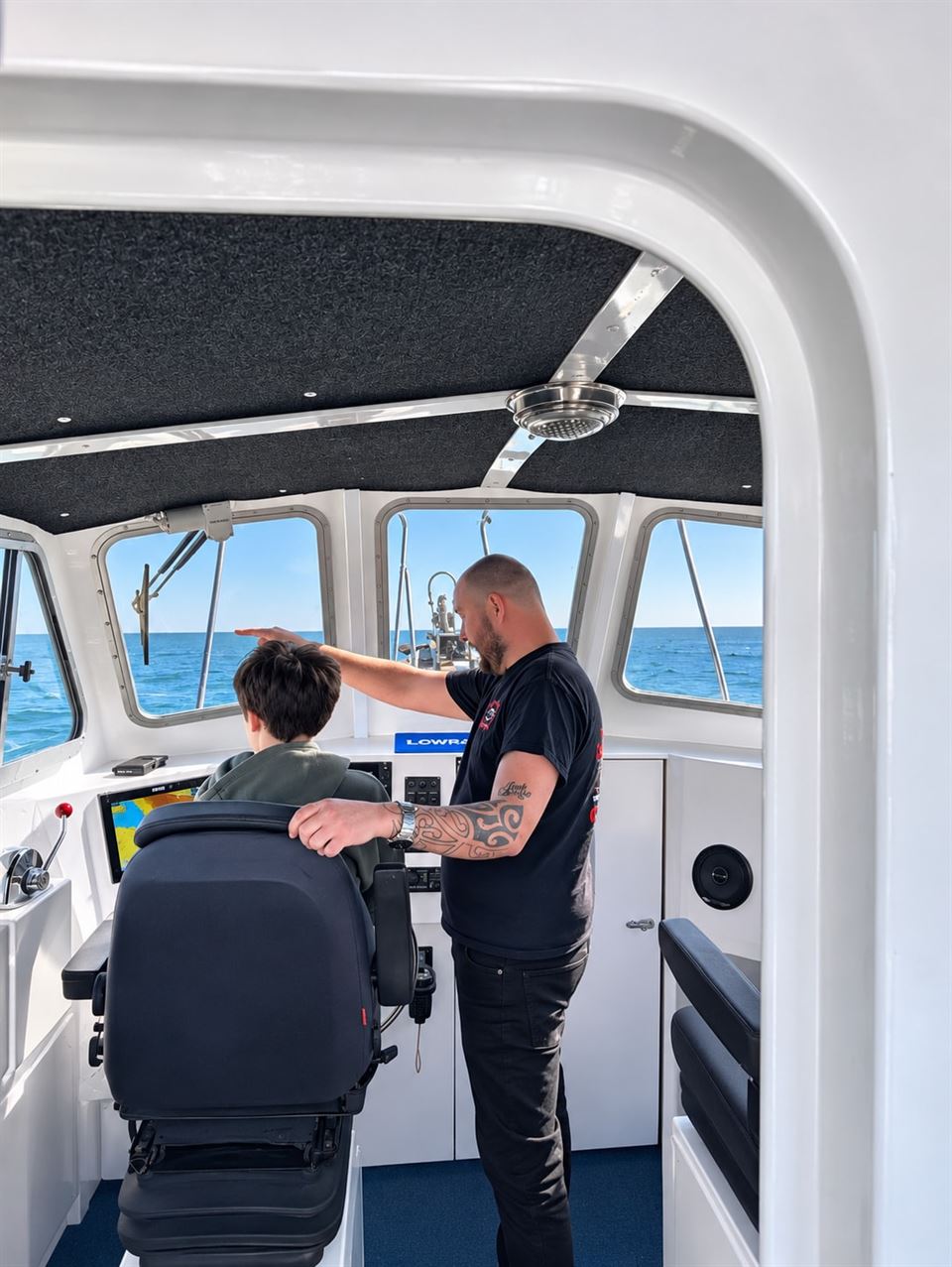
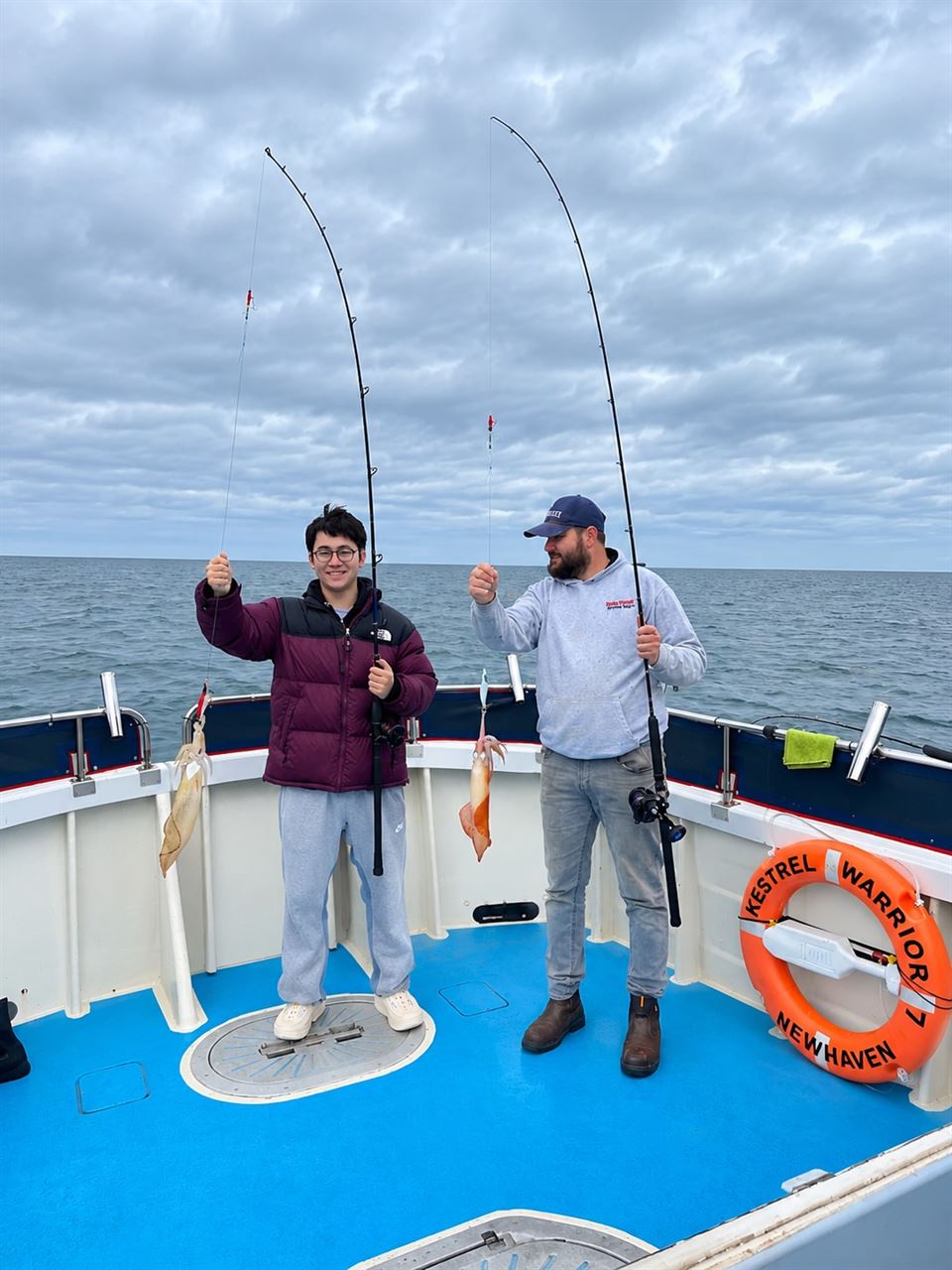
Kestrel Warrior is based at the marina today, on the Western Concourse.
The Brighton Fishing Museum sits in two arches on Kings Road, west of the pier. It opened in May 1994 with a blessing of the nets and the first mackerel of the season, after the arch fronts were restored. Working fishermen still use the neighbouring arches. It is worth an hour before or after a trip.
If you want to see the same water from the boat, start with our chart of the Brighton grounds and read about the boat. When you are ready to fish it, our deep sea fishing trips leave from Brighton Marina, with a skipper who has fished this coast for over thirty years.
Fancy a day on the water? See the Prices 2027, or get in touch and we will find the right trip for you.
Public access began on 25 July 1978 and Queen Elizabeth II formally opened the marina on 31 May 1979. Construction had begun in March 1971.
Brighthelmstone. It was a fishing town long before it became a seaside resort, and the fishing beach is still where the Brighton Fishing Museum stands.
A decked offshore fishing boat of the south coast, called peculiar to Brighton beach by William Fleet in 1847. He estimated about 60 worked from the town, trawling for turbot, sole, brill, cod, whiting and skate.
Yes. The Brighton Fishing Museum is in two arches on Kings Road, west of the pier. It opened in May 1994.
A tactical chart of the water off Brighton.
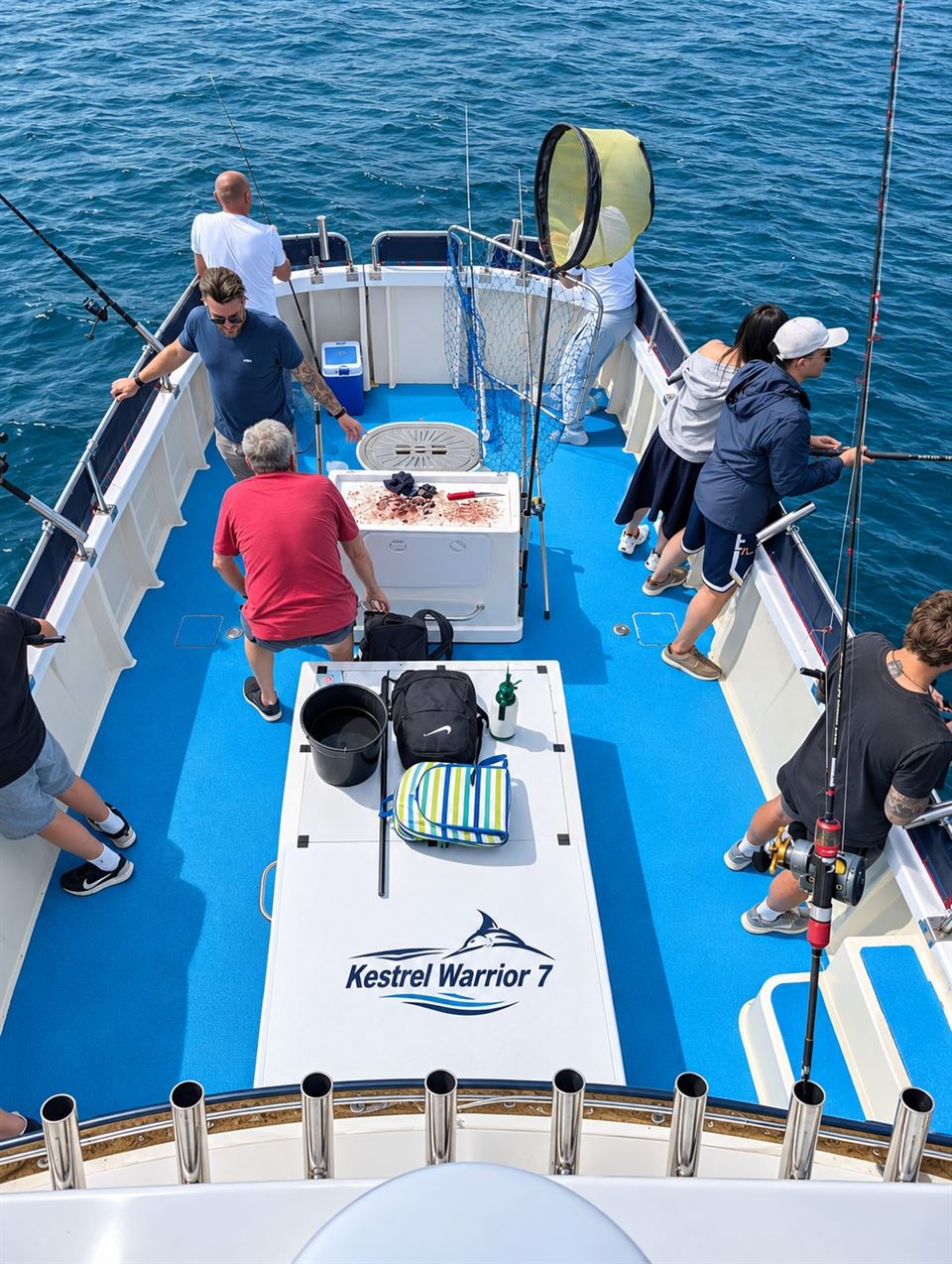
A purpose-built angling boat with a big open deck.

Captain Ant on the day.
Articles on the fish, wrecks and history of the Sussex coast.