

Read more
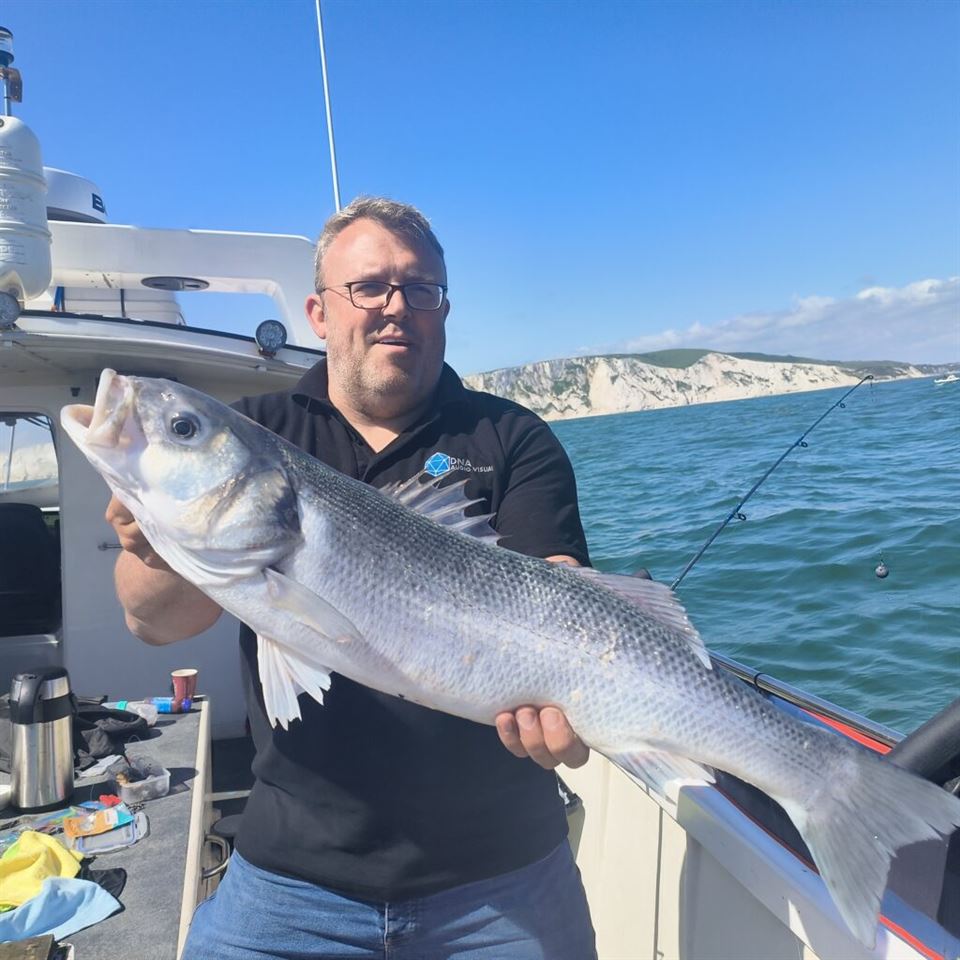
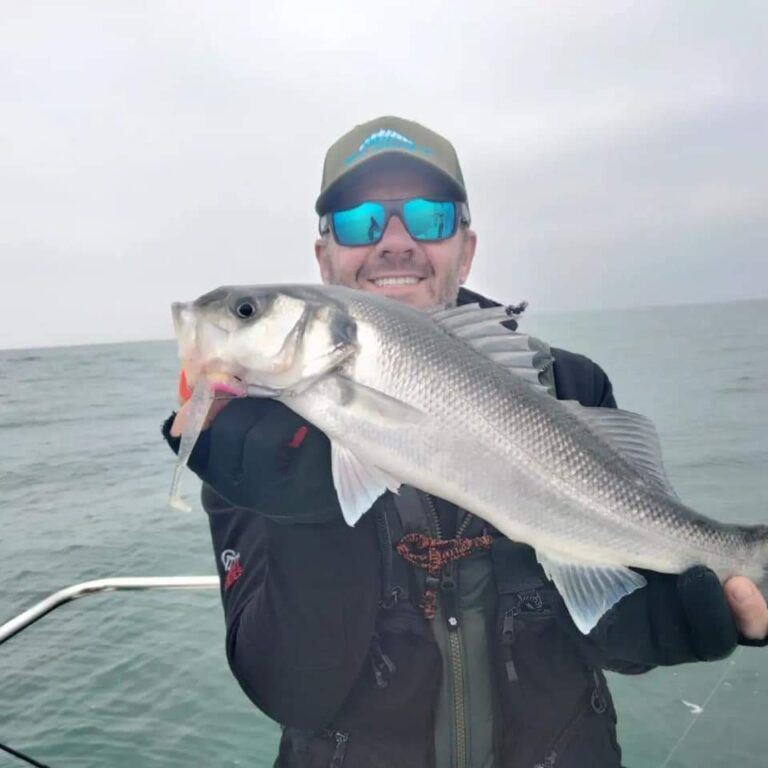
The Sussex favourite, on bait, lure or live mackerel.
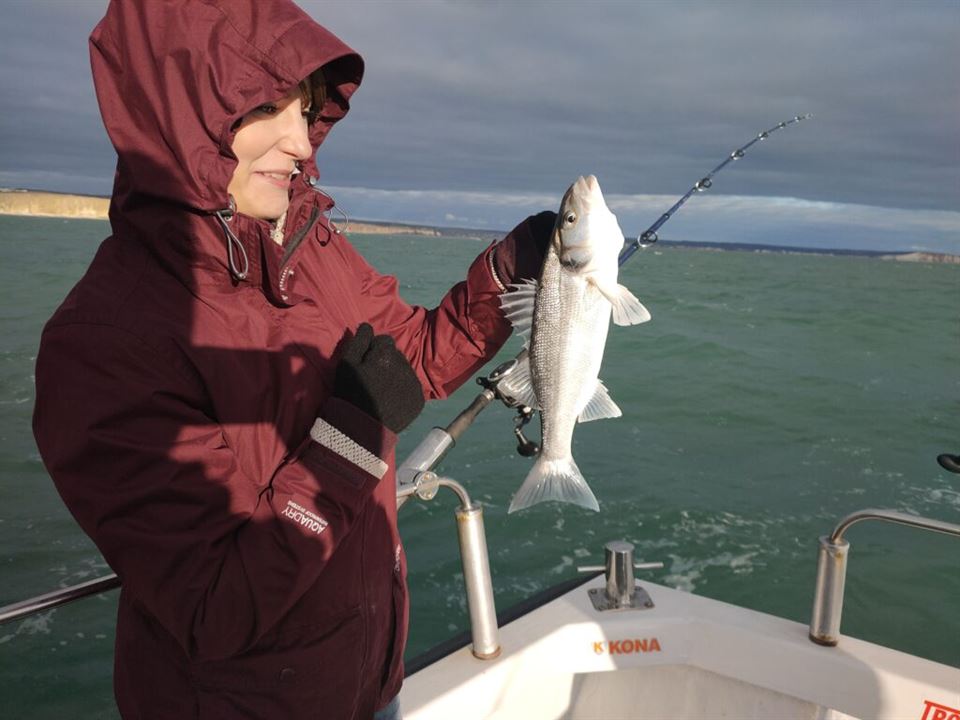
Bass are the fish most people ask us about, and the rules around them change from year to year. Here is what the official guidance says for 2026, why bass are managed so tightly, and how they feed.
The official source is the Marine Management Organisation's bass guidance on gov.uk. The 2026 edition was last updated on 27 February 2026. These rules apply to 2026 only: the limits for 2027 will be set later, so check the current rules before you fish.
The guidance also says extra catch-and-release periods can apply inside designated bass nursery areas, which we come to below. Eastern IFCA's summary of the 2026 rules agrees on the three-fish limit, the 42 cm size and the February and March catch-and-release period.
Bass are shared between countries. ICES, the international body that gives scientific advice on fish stocks, assesses the bass of the North Sea, English Channel, Irish Sea and Celtic Sea together as one stock. That is why the limits come out of international negotiations rather than local decisions.
Bass are also slow-growing, long-lived fish that take years to reach the size at which they can breed. The 42 cm minimum protects younger fish, and the gov.uk guidance describes the control measures as designed to manage fishing effort to help protect and improve bass stocks.
For you as an angler this means the rules are not arbitrary. A bass returned healthy in February is a fish that can spawn.
Nursery areas are estuaries and harbours where young bass gather. They are set out in The Bass (Specified Areas) (Prohibition of Fishing) Order 1990. In the schedule to that Order, the only Sussex entry is Chichester Harbour, with a prohibition running from 30 April to 1 November. Langstone Harbour, Portsmouth Harbour and Southampton Water are listed on the Hampshire side with the same dates.
The Chichester Harbour Conservancy says the prohibition covers fishing for bass from boats, not from the shore. The open coast off Brighton, Newhaven and Eastbourne is not named in the Order.
The Sussex Inshore Fisheries and Conservation Authority (Sussex IFCA) publishes its own byelaws for anglers, including a Minimum Size Byelaw from 2021 that applies to recreational as well as commercial fishers. If you are unsure about any size, check with Sussex IFCA as well as gov.uk.
Bass are opportunists. The Bass Anglers' Sportfishing Society describes them taking sandeels, crabs, prawns and shrimps, and small fish such as garfish, gobies and butterfish, hunting where those animals feed or hide. It notes that bass are drawn to sandbanks because moving water can dislodge sandeels and shellfish, particularly on spring tides, and that a moulting crab can make bass single-minded about a natural bait.
Research on young bass in estuaries adds a useful detail. A 2024 paper in the Journal of Fish Biology found their diets differ by habitat: worms over sand and saltmarsh, and zooplankton over mud.
Off Brighton that means we look for places where water is forced over a feature: a wreck, a ledge, a bank or a tide line. Our fishing reports include bass on small lures on 13 and 14 May and eight bass in three hours on 1 and 2 September. Those are single trips, not a promise, but they show why bass are worth chasing with light gear.
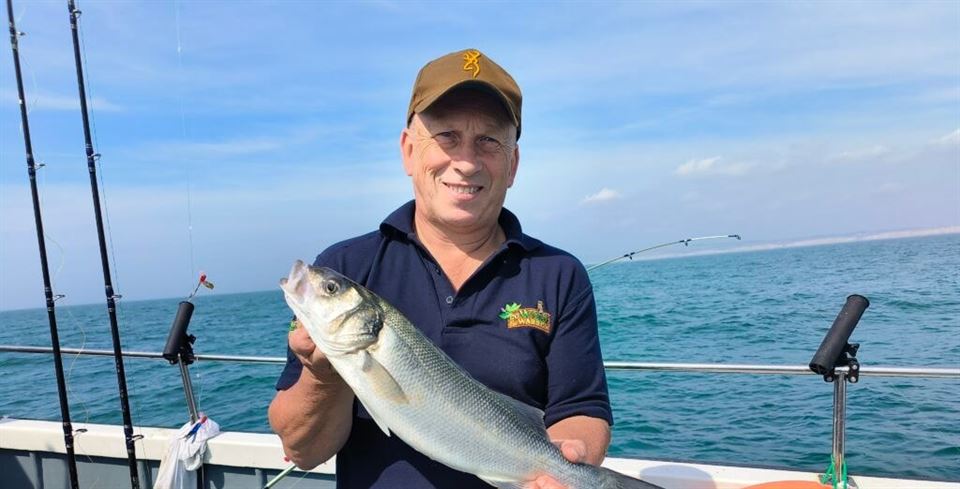
A great deal. Bass feed harder when the water is moving, and the Bass Anglers' Sportfishing Society points to spring tides as the times when sandbanks give up the most food. The tide and the weather shape a day on the water more than the date does.
Bass are a wild species that follow the food, and some days they are simply not there. We would rather say that than promise fish.
With catch and release compulsory for two months of the year, and every undersize fish going back all year, good handling matters. These points are standard advice for any fish you intend to release:
Our trips are tuition-led, so if you are unsure how to hold a bass, just ask and we will show you.
If you want to fish for bass with someone who knows the ground, our bass fishing trips run from Brighton Marina. The Sussex sea fishing seasons guide shows what else is about in each month, you can see recent catches in our fishing reports, and the contact page is the place to ask us anything.
= caught off the Sussex coast. More species in our UK sea fish guide.
Fancy a day on the water? See the Prices 2027, or get in touch and we will find the right trip for you.
Three per person per day, outside the catch-and-release period of 1 February to 31 March. Fish must be at least 42 cm. This is the position in the MMO's 2026 guidance, last updated 27 February 2026. Check the current rules before you fish.
No. From 1 February to 31 March 2026, recreational bass fishing in our waters is catch and release only, using rod and handline.
42 cm (the minimum conservation reference size). Anything smaller must be returned to the sea.
The open coast off Brighton is not named in The Bass (Specified Areas) (Prohibition of Fishing) Order 1990, whose only Sussex entry is Chichester Harbour. Check the current Order and Sussex IFCA before you fish elsewhere.
The Sussex favourite, on bait, lure or live mackerel.
What bites in which month.
Every species you might land.
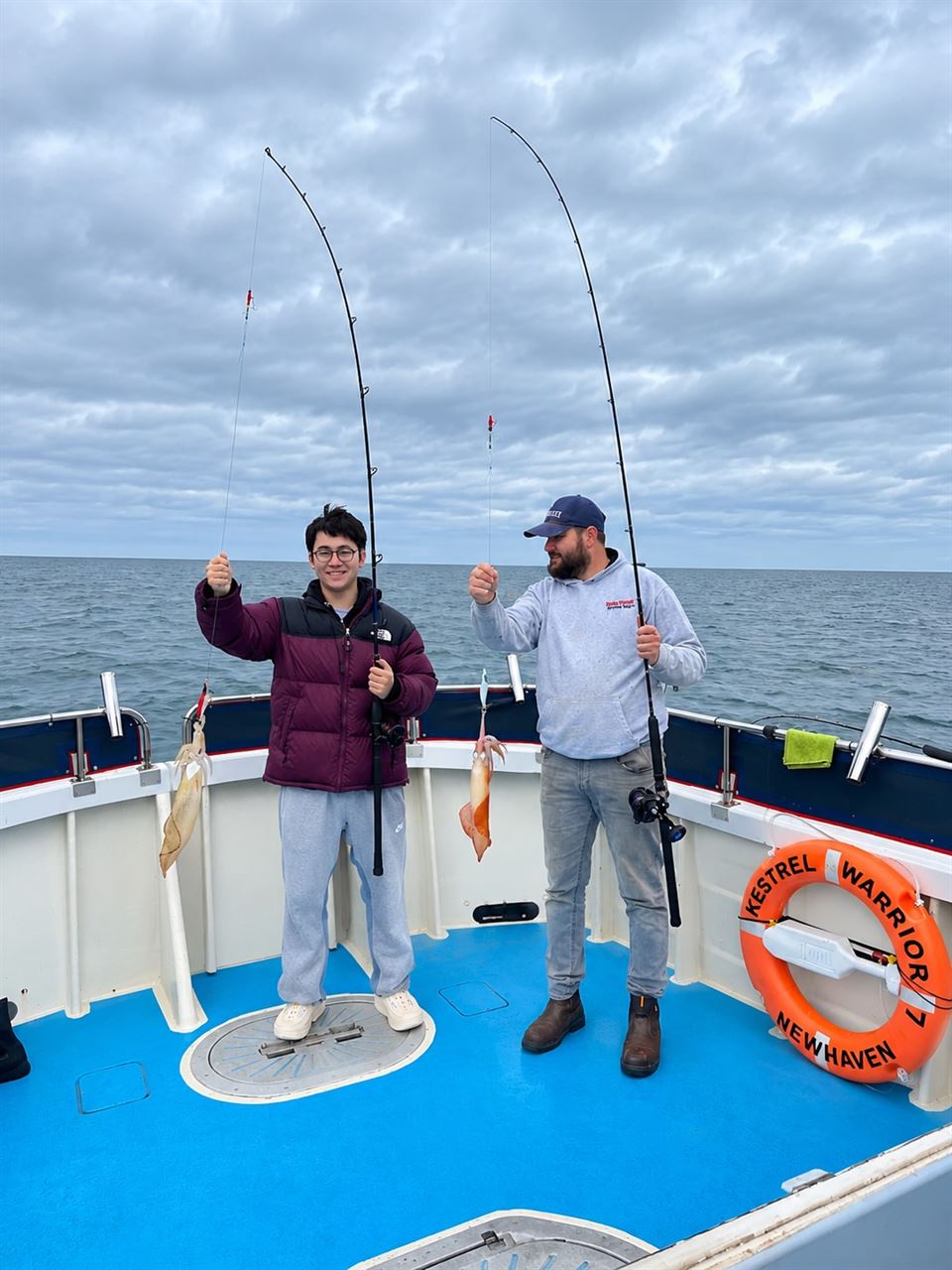
Articles on the fish, wrecks and history of the Sussex coast.